
What is Pique assiette?
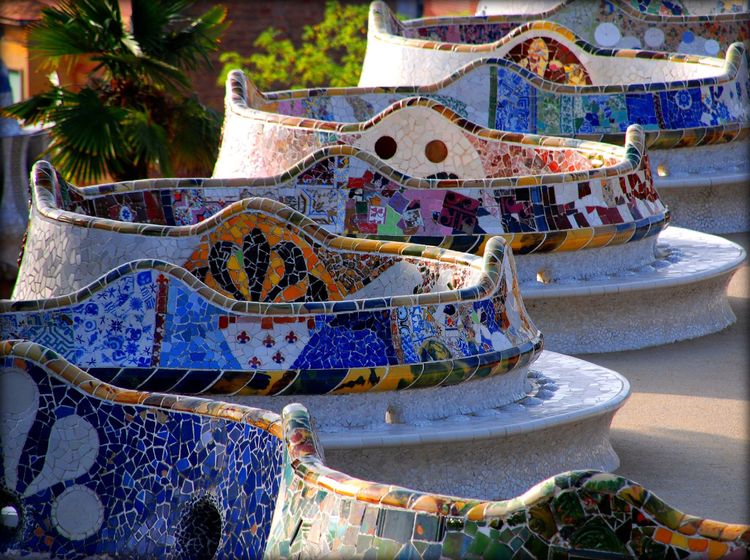
My fascination with mannequins and mosaics quickly morphed into another form of mosaic work- mosaicing with fine bone china which is commonly known as pique assiette. This is a style of mosaic which uses broken ceramics such as plates, cups and tiles and sometimes refered to as shard art. It is also called Trencadís (Catalan pronunciation: [tɾəŋkəˈðis]) and is a type of mosaic used in Catalan modernism. The Catalan architects, Antoni Gaudi and Josep Maria Jujol were great proponents of this technique. Barcelona’s Parc Guell is probably the most famous example.
It is the perfect art form for those of you who are inclined to recycling. It originates in Rome and began when Roman mosaic artists began to use pieces of terracotta vessels to add reds to their work. They also used broken bottles. At this time marble and various natural stones would have been the order of the day.
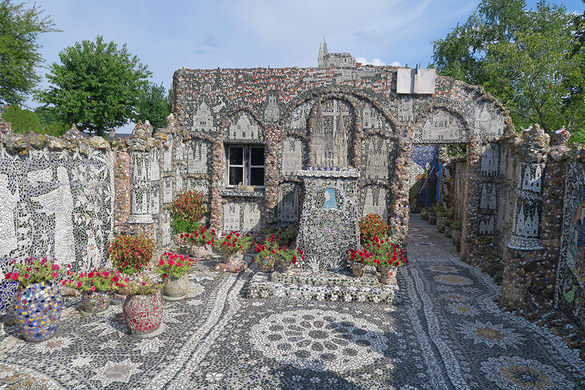
The literal translation of pique assiette from French is ‘thief of plates’ or ‘freeloader’. Raymond Isidore (1900-1964) is perhaps best known as the king of pique assiette. His entire home was covered in bits of pottery he found in the fields around Chartre, France. His neighbors called him ‘pique assiette’ as a derogatory term and it has remained in use more generally today.
One of the great advantages of using broken ceramic such as fine bone china and plates is that it has the ability to cope with extremes in temperature. Ordinary internal wall tile used outside in the cold has a tendency to ‘pop’ its coating if exposed to winter temperatures and water. The water freezes and the surface of a soft tile will blast off. Fine bone china is a far stronger alternative. So where do I source my china? Most places have second hand shops- that’s my first port of call. Friends and neighbors often gladly contribute if they know you can make good use of broken china. This was one of my first pieces.
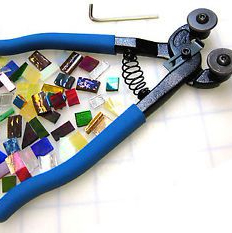
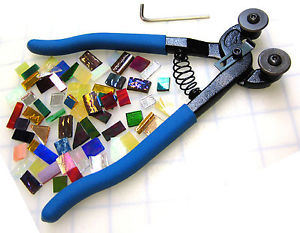
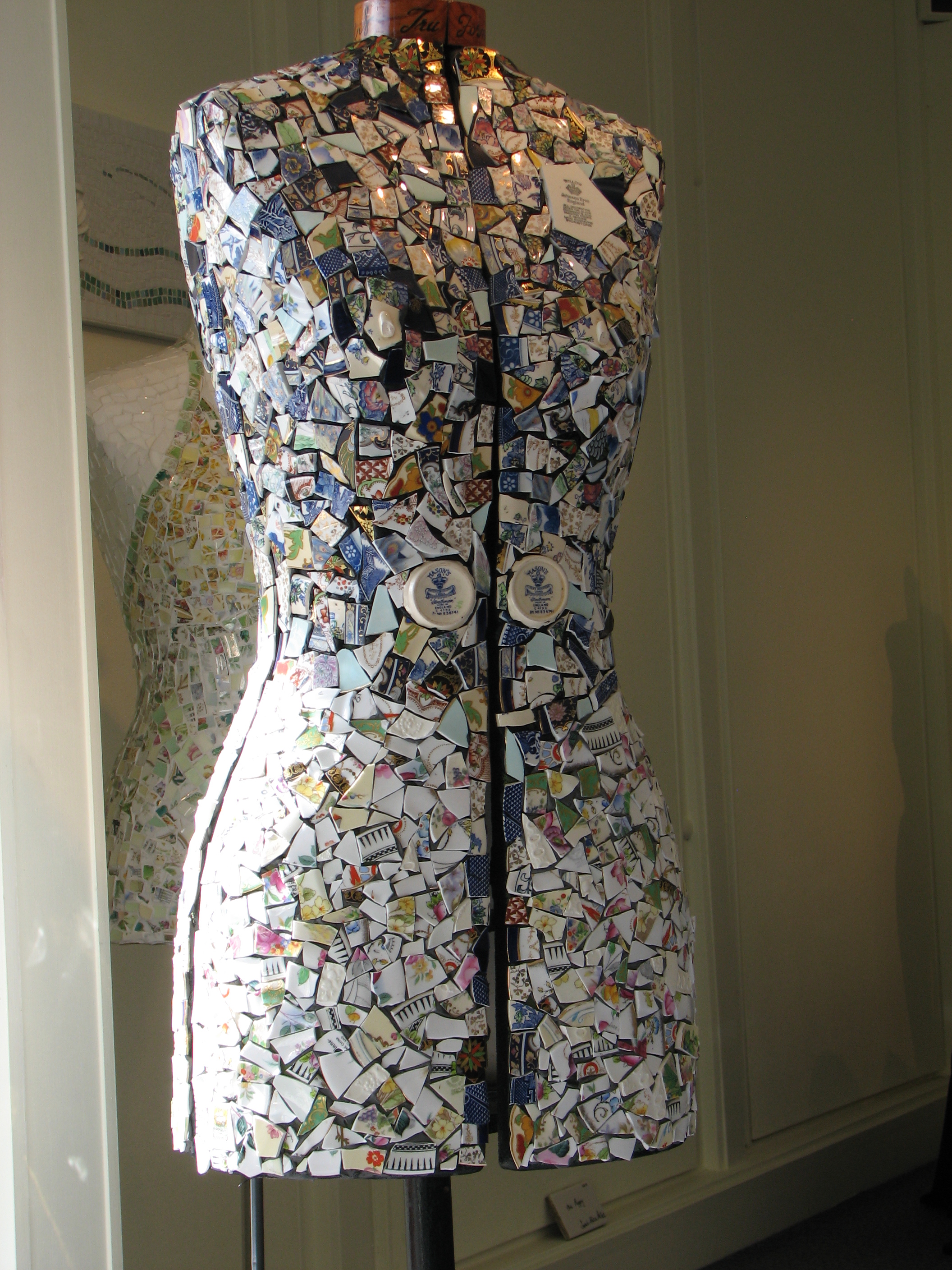 Here I have used an old dressmakers dummy consisting of an adjustable four part body. I used a variety of pieces of fine bone china which I cut with a a wheeled nipper like this one.
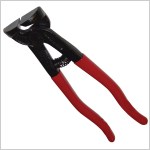
Sometimes these nippers below, are also used to cut china, tile and glass as well. But I prefer the wheeled nippers, they produce a cleaner, more accurate and smoother cut.
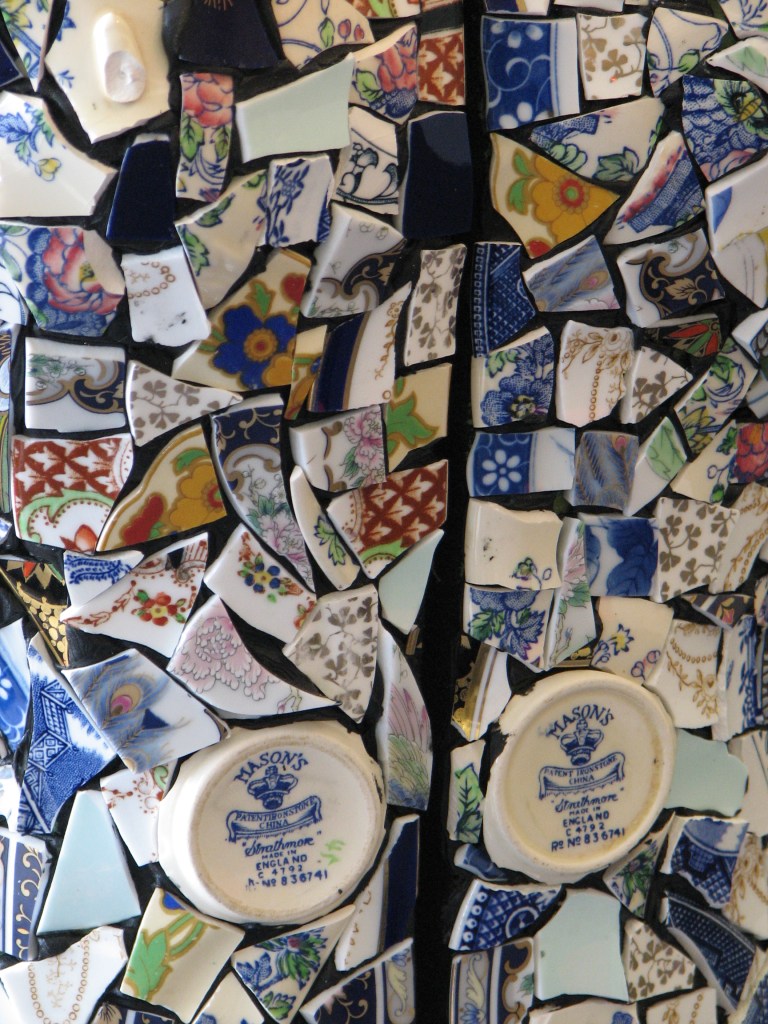
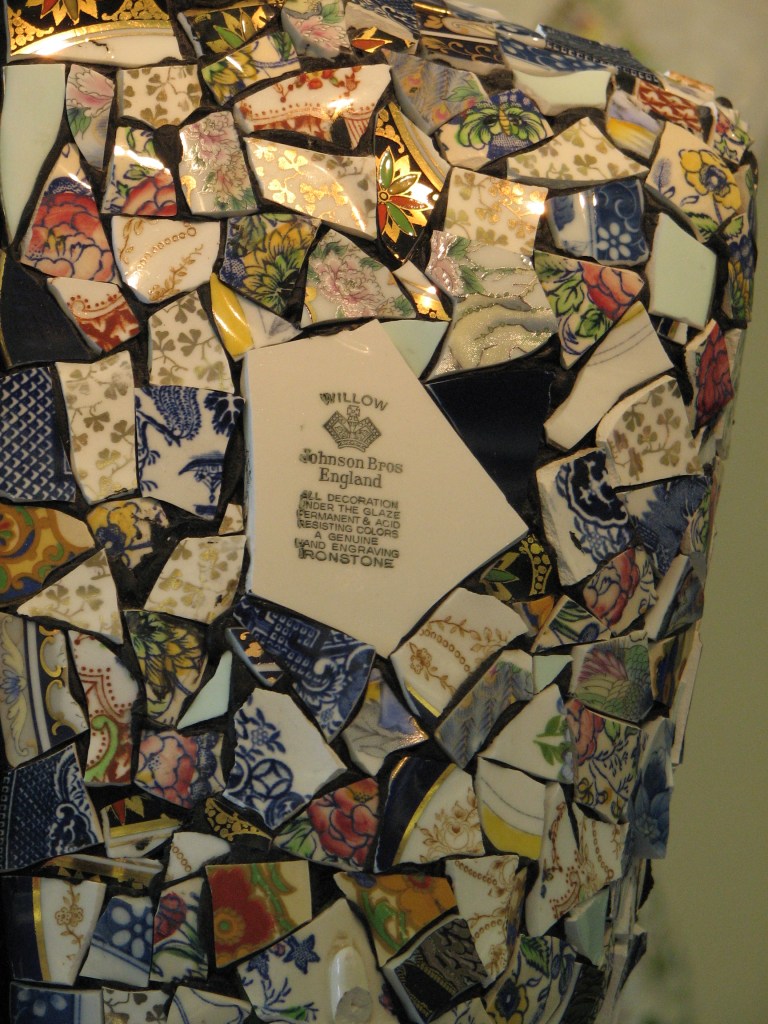
I have not used grout or mortar on this mannequin, instead I adhered the china using a black silicone glue. I do this because I did not want to subdue the intensity of the color on the mannequin. Grout will produce a more subtle effect. The other advantage of using a silicone glue is that it is highly flexible so can be used easily on a variety of substrates, including wood- which has a tendency to expand and contract in extreme temperatures.
Happy art-ing!

 Sarah's Art Diary