
“I am a printmaker working primarily in linocut. I use the slow, physical process of relief printing to explore ideas of home and belonging.”
Home is not only a place.
It is the moment you recognise yourself in the world around you.
This site is a space for thinking and writing about how identity is shaped by place — how culture, memory, and movement affect the way we see ourselves, and the ways we come to belong.
Some reflections begin in geography. Others begin in feeling. All of them ask the same quiet question: where, and how, do we become ourselves?
The Central Theme:
My practice centres on linocut printmaking, using relief imagery to explore ideas of home and belonging. I am drawn to linocut for its directness and physicality — the resistance of the matrix, the rhythm of carving, and the way an image is slowly clarified through repeated cuts and prints.
Through hand-carving and hand-printing, I produce carefully printed editions that reflect on place, memory, and the quiet structures that shape how we locate ourselves within environments and communities. My work often considers familiar spaces and forms, paying attention to what is overlooked or taken for granted, and how these elements contribute to a sense of attachment, comfort, or dislocation.
Process is central to my practice. The slow, deliberate nature of linocut allows time for reflection, and the repetition involved in printing an edition becomes a way of thinking through an image. Subtle variations between prints are embraced as part of the work, reinforcing ideas of presence, labour, and lived experience.
While my practice may extend into other art forms, linocut remains the core medium through which ideas are developed and resolved. I am interested in the balance between precision and imperfection, and in how graphic, high-contrast imagery can carry emotional and conceptual weight.
Slowness is integral to my practice. Linocut requires sustained attention, from the irreversible act of carving to the repetition involved in printing an edition by hand. This deliberate pace allows time for reflection and decision-making, and embeds labour and duration into the surface of the work. Through this slow process, the prints hold traces of time, reinforcing ideas of dwelling, familiarity, and the gradual formation of belonging.
Linocutting:
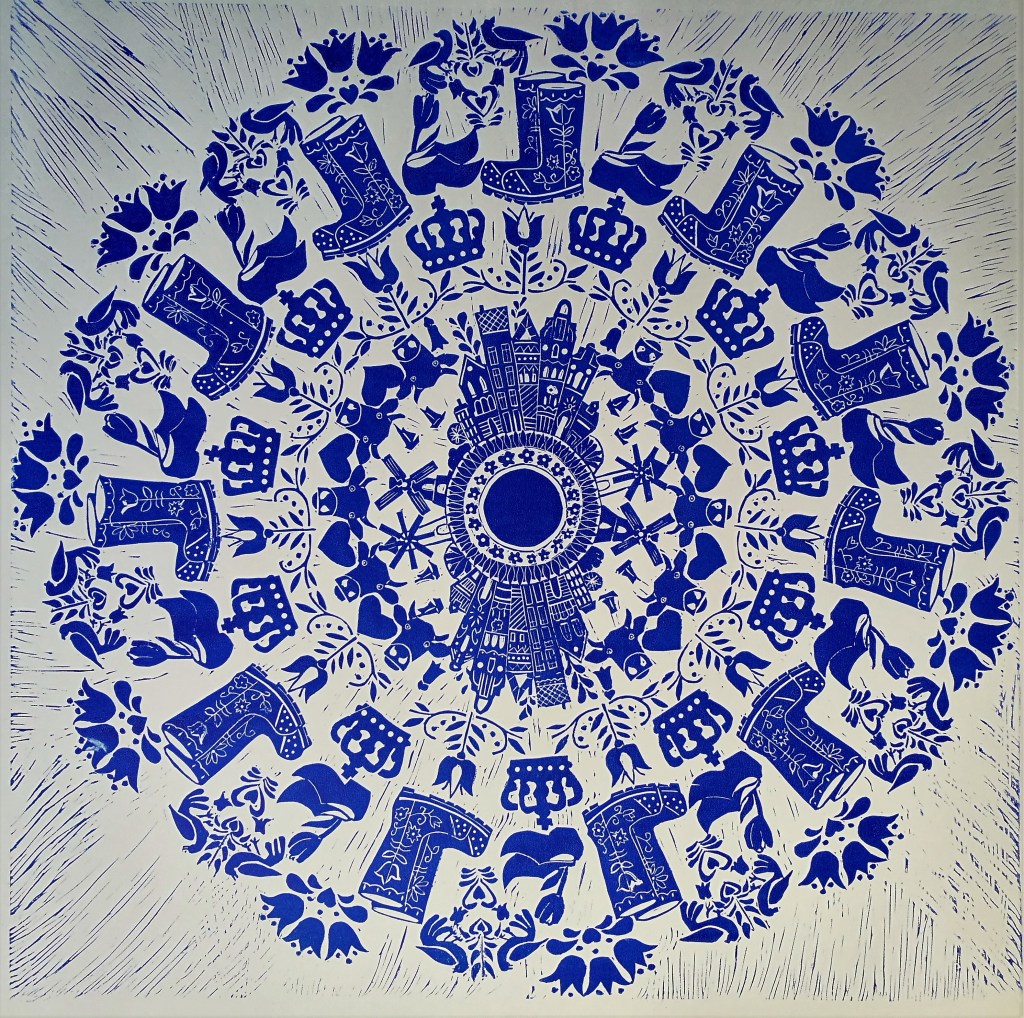
Linocut is also a ‘slow art’ form. Everything takes time. My work tends to be fine and detailed. It can take weeks of work to carve out the design and careful concentration is required. It is a meditative art form which I thoroughly enjoy. Linocuts require a block of linoleum, originally used in flooring and made of linseed oil. It is then cut using special sharp tools. Once cut to my design, ink is spread evenly on the surface of the linoleum, creating a surface ideal for printing. One slip and you can destroy the piece or your hand, even before its inked.
Mosaic Art
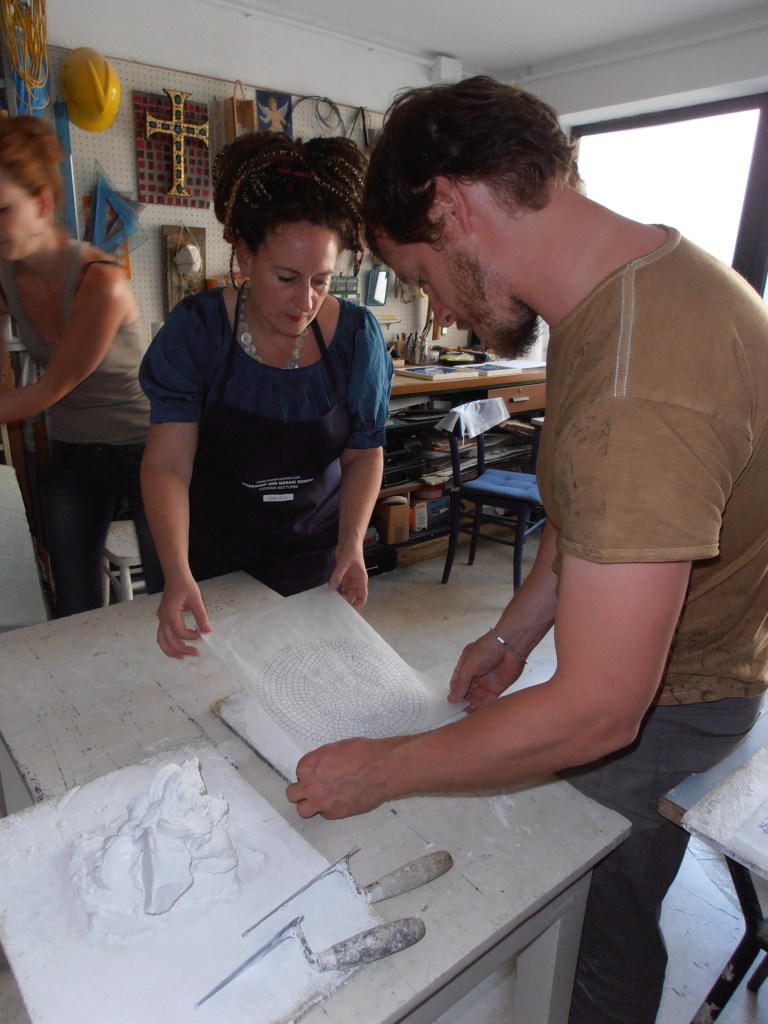
I am fascinated by the slowness of the process and the myriad of decisions that have to be made in order to get a mosaic to its final resting place. I like the notion of fragments making a whole and the fact that there is plenty of scope for using recycled material -broken china, old buttons, seeds, rocks, old glass washed up on the beach. Other people’s discards can become the most beautiful reinventions. In this medium I favor large over smaller pieces. I studied mosaics in Ravenna and in Venice and have a Master in Mosaics.
Etching:
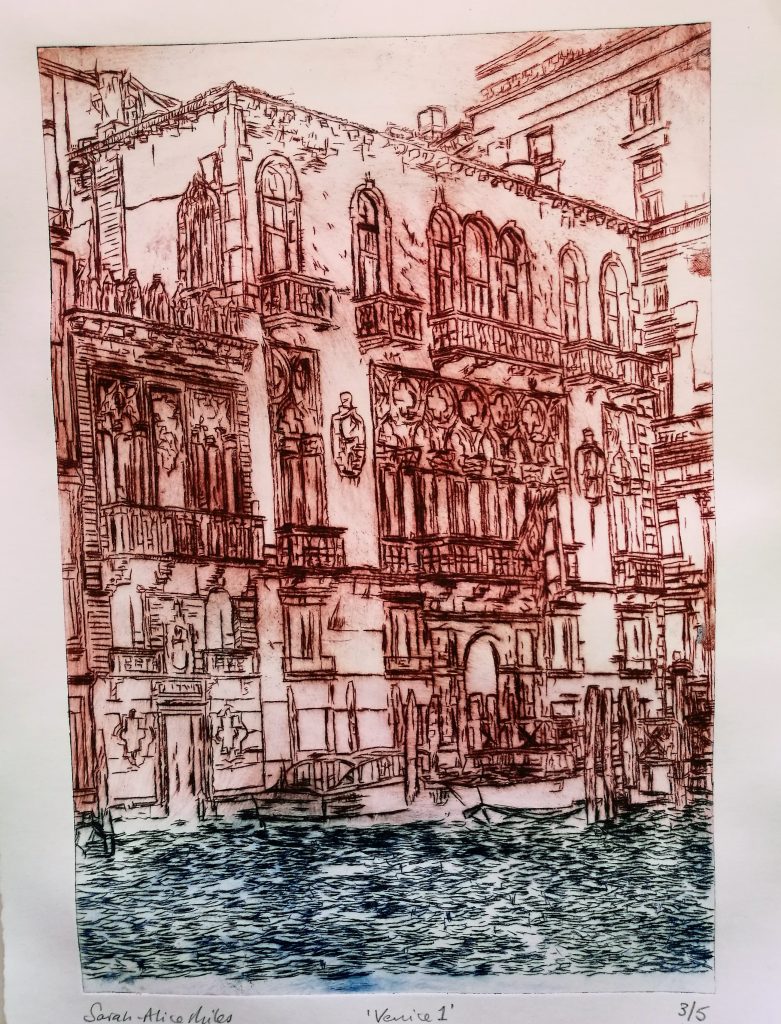
I use the technique of scratching into plexi-glass or paper or metal. These lines create a burr that holds ink, meaning that the print reveals the drawing. The process is like using a pen without ink – literally, drawing with a dry point – to create an impression of a drawing that, when inked, can be printed from again and again. The soft, feathery lines of dry point lend themselves to playful illustrations or expressive sketches.
Pen and Ink:
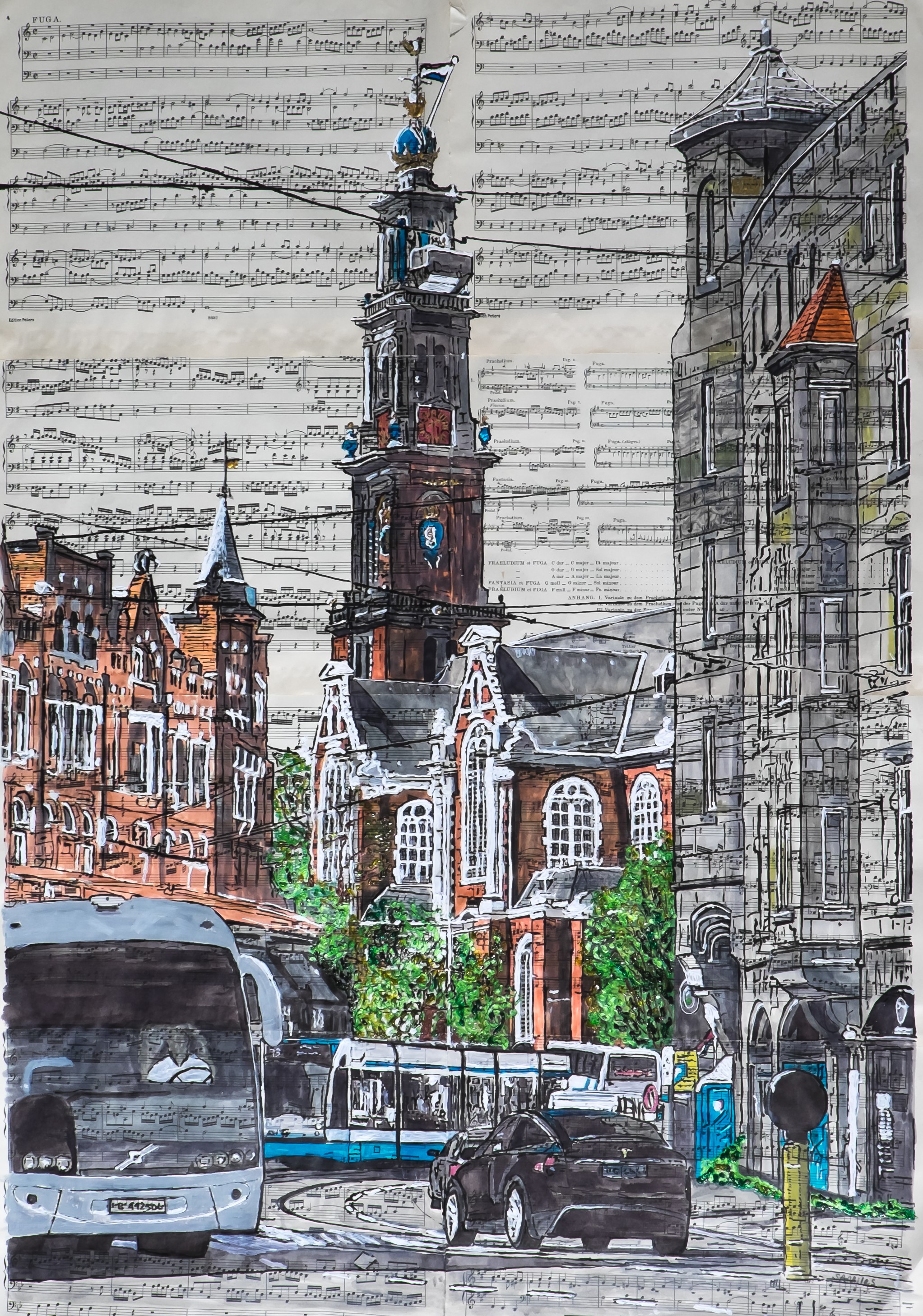
I love the delicacy of touch of ink on paper and the ability to convey an image through only a few strokes in one direction and then another. I have begun to experiment more with color.
Textile:
I have always loved fabric, embroidery, felt and anything that glitters. For me, textile work is a celebration of the gentle female arts. These traditionally feminine art forms have long been undervalued. I love the old embroidery samplers, tatting, lace-making. The hours of labor and care that went into the creation of each piece. When I’m embroidering I am reminded of – days long ago sitting round the fire with only a small amount of lamp light, darning and stitching for the family.
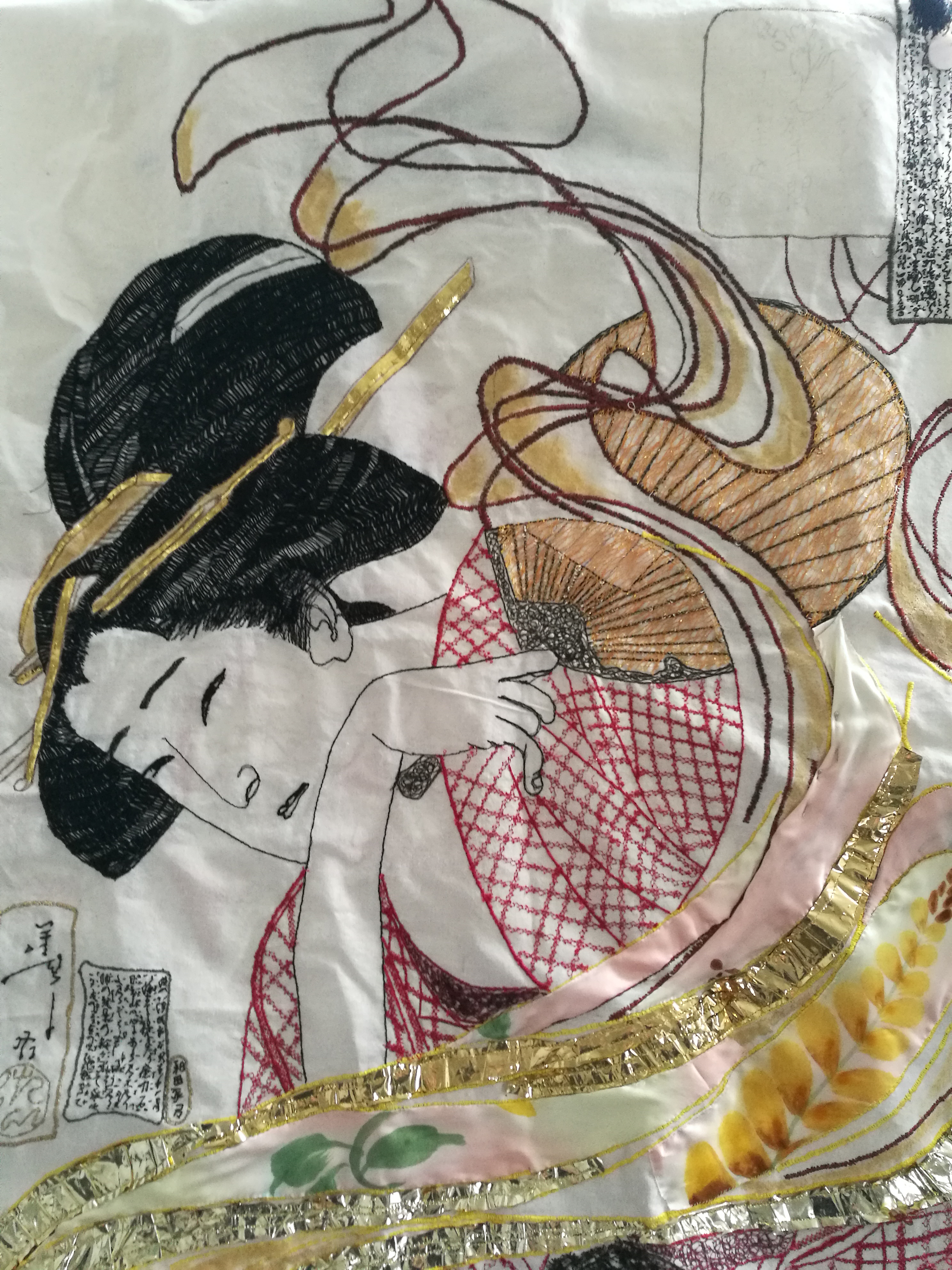
Art, for me, is always a journey of new discovery. I look forward to seeing what comes next…
Happy-Arting!
contact@sarahsartdiary.com
 Sarah's Art Diary